
Starting a commercial gym is exciting, but new owners often underestimate the financial pitfalls of poor equipment choices. From buying oversized machines to neglecting maintenance, these mistakes can cost thousands in unnecessary expenses. In this guide, we’ll walk you through the five most common gym equipment mistakes and provide practical tips to help your investment deliver long-term value.
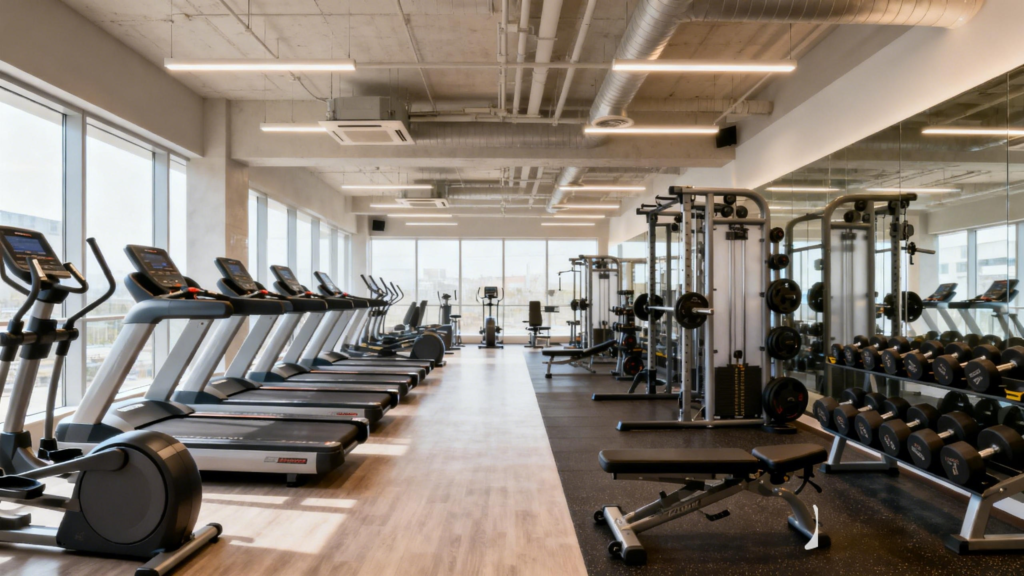
Mistake 1: Buying Oversized Machines That Waste Floor Space
Many new gym owners assume bigger is better. Large ellipticals, multi-station machines, or oversized treadmills can consume valuable floor space, limiting the number of members your gym can serve.
Tip: Measure your available space and calculate equipment utilization per square meter. Opt for compact or multifunctional machines that allow multiple users to train simultaneously without overcrowding.
Check out our commercial multifunctional gym equipment collection to optimize your space.
Mistake 2: Prioritizing “Showpiece” Over Utility
It’s tempting to buy flashy, high-end machines to impress clients. However, aesthetics without functionality often results in low usage and wasted capital.
Tip: Consider the cost-per-use metric when selecting equipment. A visually impressive leg press machine that sits idle most of the day does not justify its price tag. Choose versatile, high-demand equipment that aligns with your members’ needs.
Mistake 3: Ignoring User Demographics and Class Mix
Not all gyms are created equal. A gym catering to young adults seeking strength training will have different equipment priorities than a boutique studio focused on cardio or group classes.
Tip: Analyze your target demographics and plan your equipment mix accordingly. For example:
- Free weights and functional rigs for young adults
- Cardio-focused machines for older members
- Multi-purpose rigs for studios with mixed classes
This ensures that every piece of equipment contributes to member satisfaction and retention.
Mistake 4: Failing to Verify Durability and Warranty Terms
Low-quality machines may seem like a bargain but often break within months, leading to unexpected repair bills. Many new owners overlook warranty clauses, which can leave them paying for parts and labor out-of-pocket.
Tip: Always request warranty length and coverage details, spare parts availability, and recommended maintenance schedules. Selecting machines with certified commercial-grade components and clear warranty terms reduces long-term costs significantly.
For durable, long-lasting options, see our commercial-grade treadmill and strength equipment page.
Mistake 5: No Plan for Maintenance and Spare Parts
Even the best equipment fails if neglected. Many new gym owners skip preventive maintenance and do not keep spare parts, resulting in downtime and member complaints.
Tip: Implement a weekly maintenance routine and maintain an inventory of critical spare parts. Common preventive steps include:
- Lubricating belts and cables
- Tightening bolts and inspecting welds
- Cleaning and inspecting moving components
A simple maintenance plan can extend equipment lifespan by 2–3 years and save thousands in repairs.
Learn more about our gym equipment maintenance service.
Conclusion
Avoiding these common gym equipment mistakes is the first step toward a profitable, sustainable fitness business. By planning your layout, choosing the right machines, and maintaining them properly, you protect your investment and enhance the member experience.